Got Warts?
If you have small bumps that won’t go away on your hands or feet, you may have warts.
What are warts?
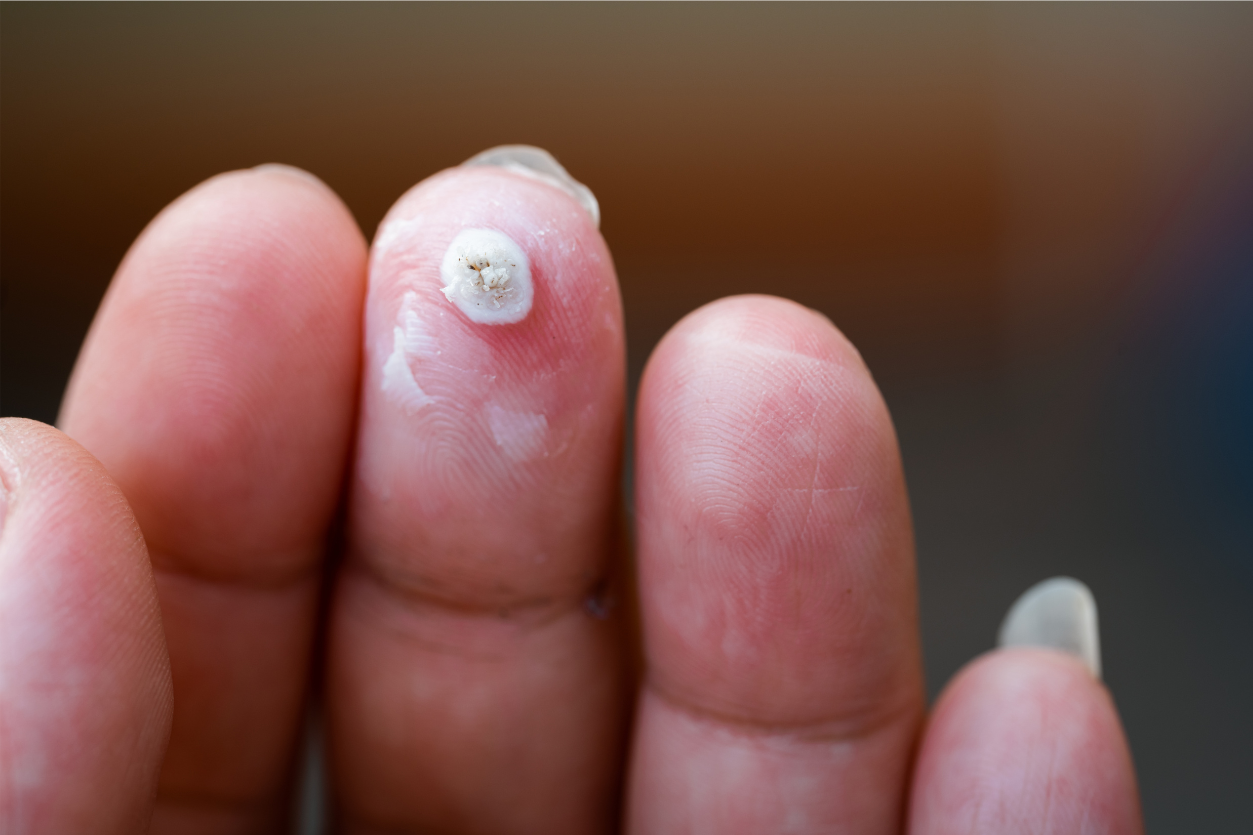
Warts are a viral skin infection caused by the human papillomavirus (HPV). They are usually contracted through small scrapes or cuts in the skin. Warts can appear in a variety of forms:
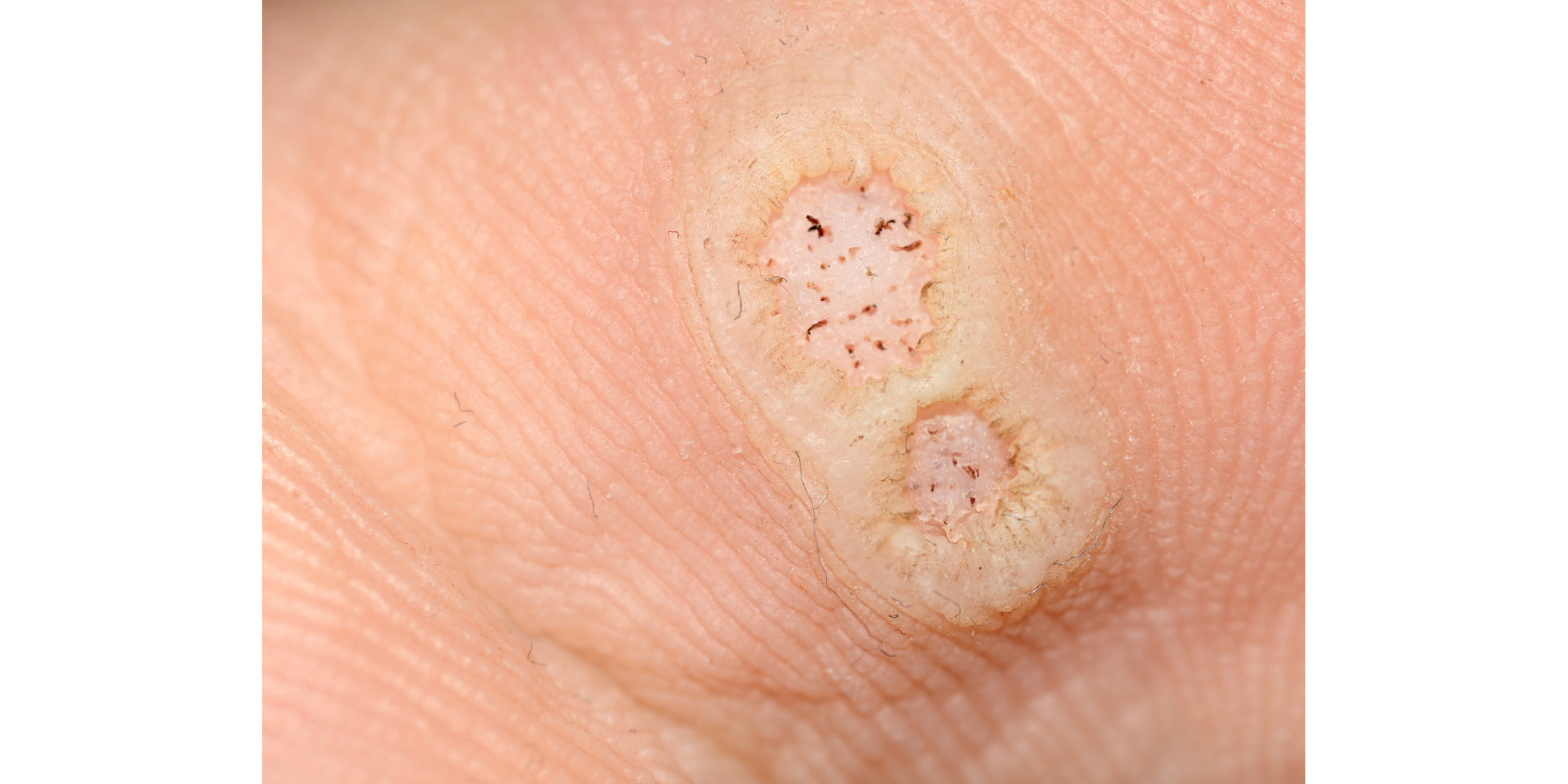
Common Warts: The most common form of warts are hard, rough, round bumps that are usually seen on the hands, elbows, or knees.
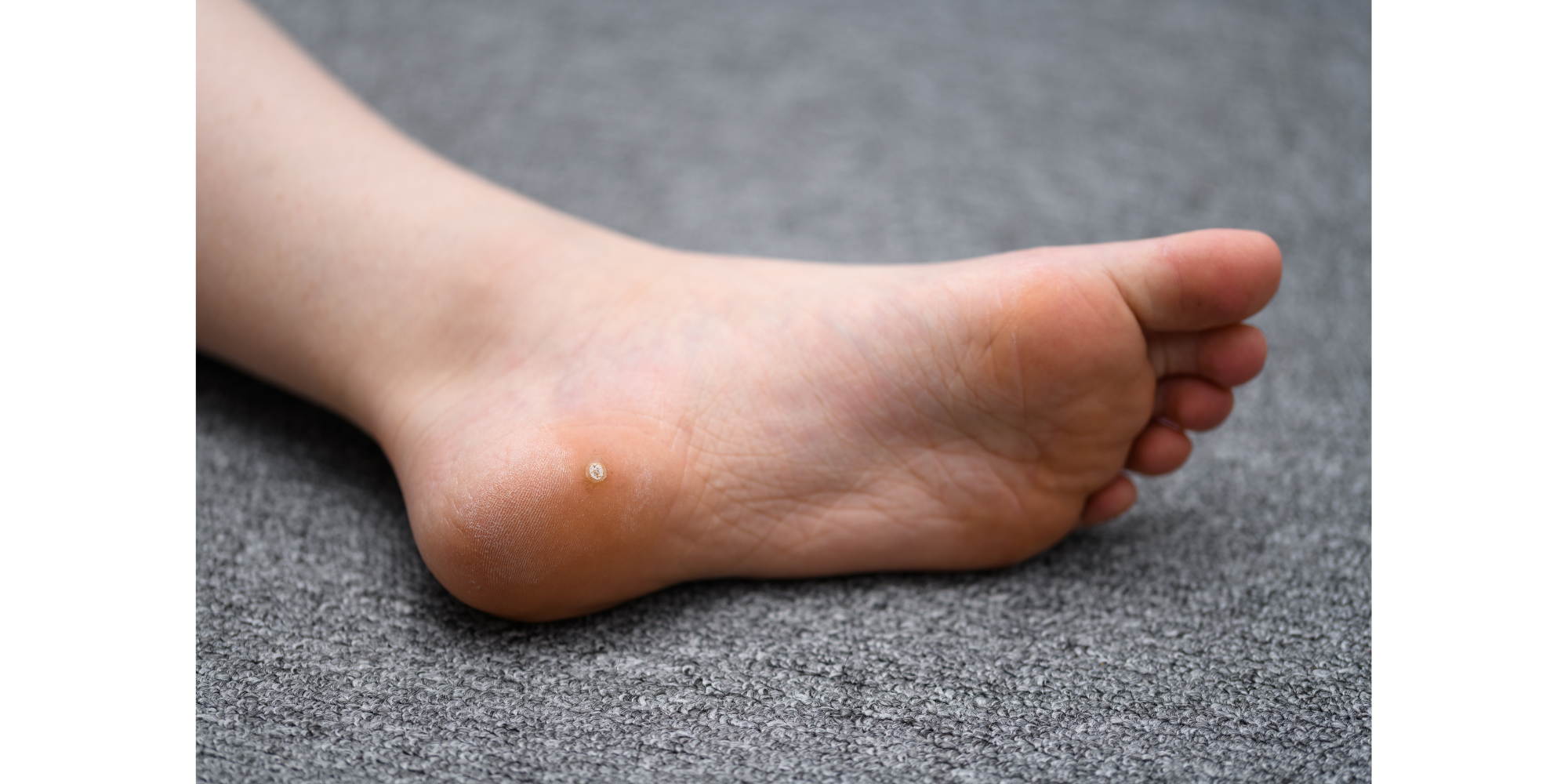
Plantar Warts: These are flat, thick, and rough, usually appearing on the soles of the feet.
Flat Warts: This type of wart can form a cluster of small, smooth, flat-topped bumps on the face or legs.
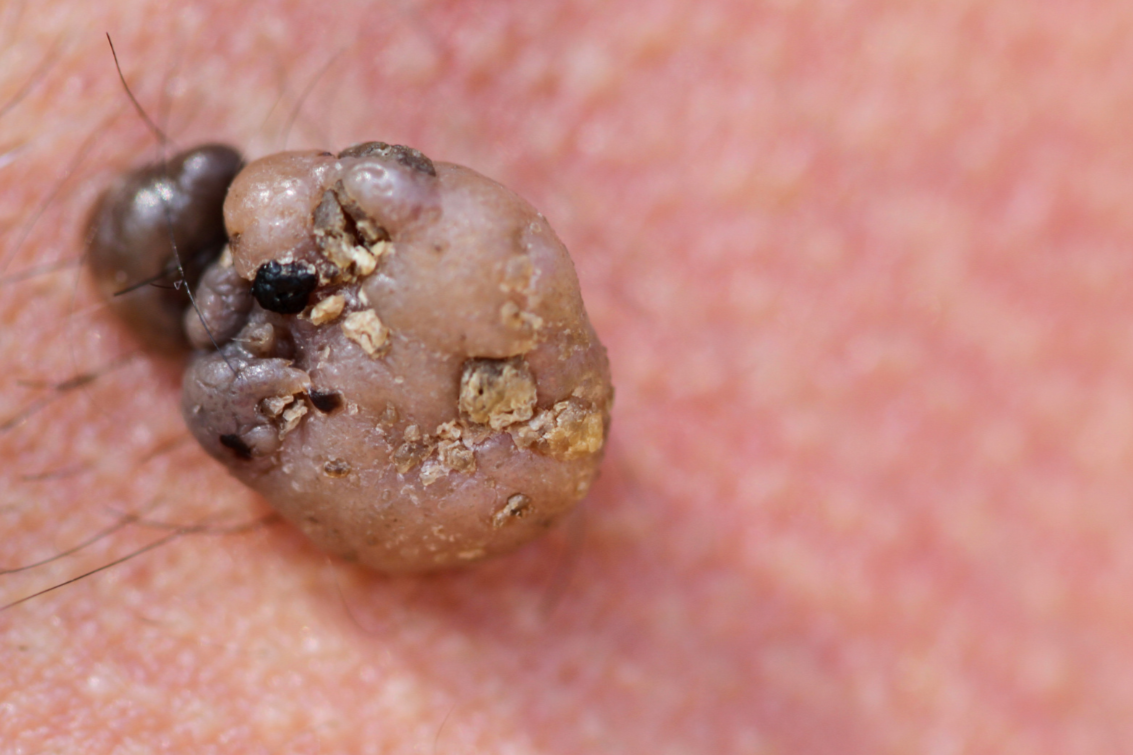
Filiform Warts: These warts have a unique cauliflower-like shape. They are fast-growing and can take on different colors depending on your skin tone.
HPV is oncogenic, meaning that having the wart virus puts you at higher risk for developing cancers like cervical cancer and some types of skin cancers. This is especially true in immunosuppressed or elderly individuals.
How do you get warts?
The HPV virus is contagious and can be passed through direct contact with infected skin (someone who has warts) or surfaces. Surfaces to be cautious of include public places like swimming pools and gym or hotel floors and showers. Children are more likely to get warts than adults because of their developing immune systems. In most areas, the wart virus does not penetrate healthy, intact skin, and requires at least microscopic abrasions in the skin in order to infect a new host.
Wart Treatment
While warts are not usually painful or problematic, many people choose to treat them to prevent them from spreading or for cosmetic reasons. An important thing to remember while you’re undergoing treatment for warts is that they are a virus, and viruses are difficult to treat.
Without treatment, warts can go away on their own. For children, they usually resolve within a year or two. For adults, it may take several years. With treatment, it will still take persistence, sometimes needing multiple treatments.
Dermatology Treatments
For patients wanting professional treatment, we offer cryotherapy, which involves using liquid nitrogen to freeze the area. This destroys the infected tissue and prevents the virus from continuing to spread. This treatment option usually requires up to four treatments spaced a couple weeks apart. Cryotherapy risks include temporary mild pain, blistering, and discoloration. This method is usually very effective and doesn’t leave a scar.
At Home Treatments
If you’re looking for something to help warts on your own, there are plenty of over-the-counter or home remedy options. When applying these treatments, be sure to use a disposable applicator like a toothpick or Q-tip. After applying the medication, throw the applicator away to prevent spreading the virus further. Treatment is most effective after soaking the area in warm water to soften the skin. If there is a build up of dead skin, you can file it using a disposable emery board (again, remember to throw it away after use to prevent spreading the virus).
Look for a salicylic acid treatment like Compound W and follow its instructions for reapplication.
You can use a clear nail polish or liquid bandage like New Skin to seal the area and smother the wart. Nail polish is a convenient and effective method. You can also cover the treated area with a bandage or duct tape to smother the wart.
Conclusion
Warts are a common condition that can be treated with some patience, either in the office or at home. To minimize your risk of contracting this virus, take care of your small cuts, and think twice before walking barefoot on the pool deck this summer!
References
American Academy of Dermatology